The Food Perspective on Excess Weight
An educational exploration of the scientific relationship between food choices and body weight, grounded in nutrition science and evidence-based understanding.
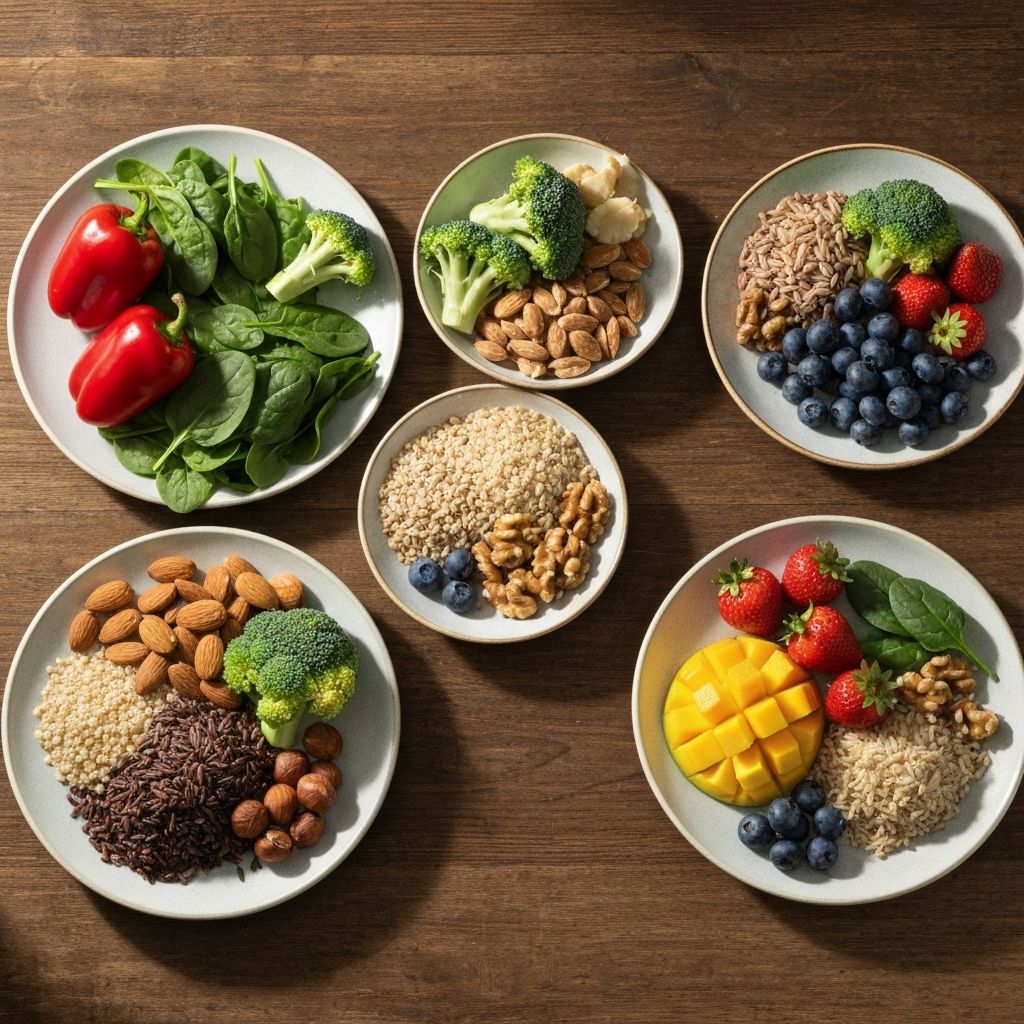
Food and Energy Balance

The concept of energy balance represents one of the fundamental principles in understanding body weight dynamics. Energy enters the human body through food consumption, measured in kilocalories or kilojoules, while energy expenditure occurs through basal metabolic processes, physical activity, and the thermic effect of food digestion.
When energy intake exceeds energy expenditure over sustained periods, the body stores excess energy primarily as adipose tissue. This biological mechanism evolved as a survival advantage, allowing humans to store energy during times of abundance for use during scarcity. In contemporary environments where food is readily available, this mechanism continues to operate according to the same physiological principles.
Different macronutrients provide varying amounts of energy per gram. Carbohydrates and proteins each provide approximately 4 kilocalories per gram, while fats provide approximately 9 kilocalories per gram. Alcohol, though not classified as a macronutrient, provides approximately 7 kilocalories per gram. Understanding these energy densities helps explain why certain foods contribute more to total energy intake than others of equivalent weight.
The regulation of energy balance involves complex interactions between hormones, neural signals, and metabolic processes. Leptin, ghrelin, insulin, and numerous other signaling molecules communicate information about energy status between various organs and the brain, particularly the hypothalamus, which integrates these signals to influence hunger, satiety, and metabolic rate.
Perspectives on Macronutrients
Proteins in the Daily Diet

Proteins are complex molecules composed of amino acids, serving numerous functions beyond energy provision. They form the structural components of tissues, function as enzymes that catalyze biochemical reactions, act as transporters and receptors, and play roles in immune function. The body requires twenty different amino acids, nine of which are essential and must be obtained from dietary sources.
Dietary protein comes from both animal and plant sources. Animal sources including meat, fish, eggs, and dairy products typically contain all essential amino acids in proportions that match human requirements. Plant sources such as legumes, nuts, seeds, and whole grains also provide protein, though individual plant foods may have limiting amino acids. Consuming a variety of plant proteins throughout the day generally provides all essential amino acids.
Protein has a higher thermic effect compared to other macronutrients, meaning that more energy is expended during its digestion and metabolism. Additionally, protein tends to promote greater satiety per kilocalorie consumed compared to carbohydrates or fats, though individual responses vary. These properties contribute to protein's role in discussions about food choices and energy balance.
Carbohydrates and Their Varieties

Carbohydrates encompass a diverse group of molecules ranging from simple sugars to complex polysaccharides. Monosaccharides like glucose and fructose represent the simplest forms, while disaccharides like sucrose and lactose consist of two sugar molecules. Oligosaccharides and polysaccharides, including starches and fiber, contain longer chains of sugar molecules.
The body breaks down digestible carbohydrates into glucose, which serves as the primary energy source for many cells and the preferred fuel for the brain. Different carbohydrate-containing foods affect blood glucose levels at different rates, a concept captured by the glycemic index. Foods high in fiber, a type of carbohydrate that humans cannot digest, tend to have lower glycemic responses and provide benefits for digestive health.
Whole grains, fruits, vegetables, and legumes provide carbohydrates along with fiber, vitamins, minerals, and phytochemicals. Refined carbohydrates found in processed foods have had fiber and other components removed during processing. The nutritional context in which carbohydrates are consumed influences their metabolic effects and contribution to overall dietary patterns.
Dietary Fats and Their Functions
Fats, or lipids, perform essential functions including cell membrane structure, hormone production, nutrient absorption, and insulation. Despite their higher energy density, fats are indispensable components of human nutrition. Essential fatty acids, which the body cannot synthesize, must be obtained from food sources.
Dietary fats are classified based on their chemical structure. Saturated fats, found primarily in animal products and tropical oils, have no double bonds in their carbon chains. Unsaturated fats, including monounsaturated and polyunsaturated fats, contain one or more double bonds and are found in plant oils, nuts, seeds, and fish. Trans fats, which can occur naturally in small amounts or be produced during industrial processing, have been associated with adverse health effects.
The type of fat consumed may influence cardiovascular health and metabolic function differently than the total amount of fat. Omega-3 and omega-6 polyunsaturated fatty acids play distinct roles in inflammation and cellular signaling. Current nutritional science emphasizes the quality and sources of dietary fats rather than focusing solely on total fat intake.
Common Food-Related Misconceptions
Public discourse about food and body weight often includes oversimplifications and misconceptions. One common misunderstanding involves the idea that specific foods possess inherent properties that directly cause weight changes independent of total energy intake. While individual foods have varying effects on satiety, metabolism, and nutrient partitioning, body weight changes fundamentally relate to the balance between total energy consumed and expended over time.
Another frequent misconception centers on the notion that eliminating entire macronutrient categories represents a universally optimal approach. While modifying macronutrient ratios may benefit certain individuals in specific contexts, no single macronutrient distribution suits everyone. Human populations have thrived on diverse dietary patterns with varying proportions of carbohydrates, proteins, and fats throughout history and across different geographical regions.
The concept of food timing also generates considerable discussion. While the timing of nutrient intake may influence athletic performance, recovery, and certain metabolic parameters, research does not strongly support the idea that eating at particular times of day substantially affects body weight when total daily energy intake remains constant. Meal frequency and timing appear to matter less than previously thought for most individuals in typical circumstances.
Detoxification claims represent another area of widespread misunderstanding. The human body possesses sophisticated detoxification systems, primarily involving the liver and kidneys, which continuously process and eliminate metabolic waste products and foreign substances. No specific foods or dietary patterns have been demonstrated to enhance these natural detoxification processes beyond supporting overall organ function through adequate nutrition.
Digestion and Food Choices

The digestive system transforms food into absorbable nutrients through mechanical and chemical processes beginning in the mouth and continuing through the gastrointestinal tract. Digestive enzymes, produced by salivary glands, the stomach, the pancreas, and the small intestine, break down macronutrients into their constituent parts: proteins into amino acids, carbohydrates into simple sugars, and fats into fatty acids and glycerol.
The rate and efficiency of digestion vary based on food composition. Fiber-rich foods typically slow gastric emptying and nutrient absorption, leading to more gradual rises in blood glucose and extended feelings of fullness. Highly processed foods with minimal fiber often undergo rapid digestion and absorption, resulting in quicker returns of hunger sensations.
The gut microbiome, consisting of trillions of microorganisms residing in the digestive tract, influences nutrient metabolism, immune function, and signaling between the gut and brain. Different dietary patterns affect the composition and diversity of gut bacteria. Fermentable fibers serve as substrates for beneficial bacteria, which produce short-chain fatty acids and other metabolites that may influence metabolic health.
Individual variation in digestive function, enzyme production, and gut microbiome composition contributes to differences in how people respond to specific foods. Factors including genetics, previous dietary patterns, medication use, and health status all influence digestive processes. This variation partly explains why identical foods may affect different individuals differently.
The Role of Plant-Based Ingredients

Plant-based foods provide carbohydrates, proteins, fats, fiber, vitamins, minerals, and thousands of phytochemicals that may benefit health. Vegetables, fruits, whole grains, legumes, nuts, and seeds each contribute distinct nutritional profiles. The diversity of colors in plant foods reflects different phytochemical compositions, with various pigments associated with specific biological activities.
Fiber, found exclusively in plant foods, exists in soluble and insoluble forms. Soluble fiber dissolves in water and can help moderate blood glucose and cholesterol levels, while insoluble fiber adds bulk to stool and supports regular bowel movements. Most plant foods contain both types in varying proportions. Adequate fiber intake associates with numerous health benefits and may influence body weight through effects on satiety and gut microbiome.
Vegetables and fruits generally have low energy density due to high water content, meaning they provide relatively few kilocalories per unit weight. Incorporating these foods into meals can increase volume and nutritional value while moderating total energy intake. Different preparation methods affect both the nutritional content and energy density of plant foods.
Legumes including beans, lentils, and peas offer protein, complex carbohydrates, fiber, and various micronutrients. Nuts and seeds provide healthy fats, protein, fiber, and minerals, though their higher energy density means smaller portions provide significant kilocalories. Understanding the nutritional characteristics of different plant food categories helps in making informed food choices.
Movement in Daily Food Context

Physical activity increases energy expenditure and represents the most variable component of total daily energy expenditure among individuals. Activity ranges from structured exercise to non-exercise activity thermogenesis, which includes all movement outside of formal exercise, such as walking, standing, and fidgeting. Both structured and incidental movement contribute to total energy expenditure.
The relationship between physical activity and food intake involves complex regulatory mechanisms. Exercise may influence hunger and satiety hormones, though individual responses vary considerably. Some people experience increased hunger following activity, while others report reduced appetite. These responses may depend on the type, intensity, and duration of activity, as well as individual factors.
Regular physical activity provides numerous health benefits independent of effects on body weight. These include improved cardiovascular function, enhanced insulin sensitivity, stronger bones and muscles, better mood regulation, and reduced risk of chronic diseases. The health benefits of physical activity occur across the weight spectrum.
The concept of compensatory behaviors recognizes that changes in one aspect of energy balance may trigger conscious or unconscious adjustments in other areas. Increased physical activity might lead to increased food intake, reduced activity at other times, or decreased metabolic rate, though the extent of compensation varies greatly among individuals. Understanding these dynamics provides context for realistic expectations about activity and energy balance.
Hydration Perspectives

Water comprises approximately 60 percent of adult body weight and participates in virtually all physiological processes. Adequate hydration supports temperature regulation, nutrient transport, waste removal, joint lubrication, and cellular function. Water requirements vary based on factors including body size, activity level, climate, and individual metabolism.
Beverages contribute significantly to daily fluid intake, though they also may contribute considerable energy depending on their composition. Water contains no energy, while beverages containing sugars, alcohol, or fats add kilocalories to total intake. Sugar-sweetened beverages provide energy without the satiety effects typically associated with solid foods, potentially contributing to positive energy balance.
The body regulates fluid balance through thirst mechanisms and kidney function. Thirst sensations typically prompt fluid intake before significant dehydration occurs in healthy individuals with access to beverages. Urine color and frequency provide practical indicators of hydration status, with pale yellow urine generally indicating adequate hydration.
Some foods, particularly fruits and vegetables, contain high percentages of water and contribute to daily fluid intake. Soups, smoothies, and other liquid or semi-liquid foods also contribute fluid along with nutrients and energy. The combination of water-rich foods and adequate beverage consumption helps maintain proper hydration across diverse dietary patterns.
Frequently Asked Questions
What is the primary purpose of this educational resource?
This resource aims to explain scientific concepts related to food and body weight in an accessible, evidence-based manner. We present information about nutrition science, energy balance, and physiological processes without providing personalized advice or recommendations. The content serves educational purposes for those interested in understanding the relationship between food choices and body weight from a scientific perspective.
How does this information relate to individual circumstances?
The information provided describes general principles and scientific understanding. Individual responses to foods vary based on genetics, metabolism, health status, activity levels, and numerous other factors. This content does not account for personal circumstances and should not be interpreted as guidance for individual situations. Consulting qualified healthcare and nutrition professionals remains essential for personalized approaches.
What distinguishes different dietary approaches?
Various dietary patterns exist globally, each with different emphases on food types, macronutrient distributions, and eating behaviors. Mediterranean, Asian, plant-based, omnivorous, and other dietary traditions demonstrate that humans can thrive on diverse food patterns. No single approach proves universally optimal. Research continues to explore how different dietary patterns affect various health outcomes in different populations.
How does food processing affect nutritional value?
Food processing encompasses a spectrum from minimal interventions like washing and cutting to extensive industrial processing. Processing can improve food safety, extend shelf life, and enhance convenience, but may also alter nutritional content. Whole foods generally retain more fiber, vitamins, minerals, and phytochemicals compared to their highly processed counterparts. Understanding the degree and type of processing helps in evaluating the nutritional characteristics of different food products.
What role do genetics play in body weight?
Genetic factors influence multiple aspects of energy regulation, including basal metabolic rate, appetite signaling, nutrient metabolism, and fat storage patterns. Twin studies and family studies suggest significant heritability of body weight. However, genes interact with environmental factors, particularly food availability and physical activity patterns. Genetic predispositions affect susceptibility to weight changes but do not determine outcomes independently of environmental context.
How does stress relate to eating behaviors?
Psychological stress activates hormonal systems, particularly the hypothalamic-pituitary-adrenal axis, which releases cortisol and other stress hormones. These hormones can influence appetite, food preferences, and metabolism. Some individuals experience increased hunger and cravings for energy-dense foods during stress, while others lose appetite. Chronic stress may affect eating patterns and energy balance through multiple mechanisms, though responses vary among individuals.
Information Context and Limitations
All content on this website presents general educational information about nutrition science and food-related topics. This material does not constitute medical, nutritional, or health advice. Individual circumstances vary significantly, and decisions about diet, health, and lifestyle require consideration of personal factors that general information cannot address.
Nutrition science continues evolving as new research emerges. The information provided reflects current understanding but may be updated as scientific knowledge advances. Diverse perspectives exist within the scientific community on many nutrition-related topics, and areas of ongoing research involve uncertainty.
For guidance tailored to your specific situation, health status, and goals, consult qualified healthcare providers, registered dietitians, or other appropriate professionals. This educational resource complements but does not replace personalized professional guidance.
Continue Exploring
Discover more perspectives on nutrition science and food-related topics throughout our educational resource.
Learn About This Project Contact UsContact Information
The Food Perspective
16 Hawthorn Crescent
Cardiff, CF14 2NA
United Kingdom
Get in Touch
Phone: +44 7879 412 693
Email: [email protected]